Most people searching for a suit in Chiang Mai are not style experts. They know they need something sharp, they have a few days, and they do not want to make an expensive mistake. This guide covers every style decision you will face. For pricing, timelines, and a full overview of what to expect, see the custom suits Chiang Mai page. — cut, colour, pattern, lapels, trousers, lining — and gives you a clear answer for each one based on 20 years of making suits in this city.
Chiang Mai is not London or Milan. The light is brighter, the heat is real, and the occasions range from rooftop weddings to business meetings to airport departures. The suit that works here is the one built for how you will actually wear it — not how it looks on a hanger.
Silhouette: slim, regular, or relaxed?
This is the first question Lucky asks every customer, and the answer depends on build more than trend.
Slim fit: Clean and modern. Works well on lean or athletic builds. Can restrict movement and trap heat if cut too tight — a common problem when people request “as slim as possible” without accounting for Chiang Mai temperatures. The jacket should skim the body, not grip it.
Regular fit: Underrated. A well-tailored regular fit on accurate measurements often looks sharper than an off-the-rack slim cut. More comfortable in heat, more room to move, easier to wear through a full day. This is what Lucky recommends for most first-time customers.
Relaxed fit: Better suited to linen or casual fabrics. Good for daytime events or travel. Not the right choice for formal business or black-tie adjacent occasions.
The key point: fit is not the same as tightness. A suit that fits correctly will look slim even at a regular cut. A suit that is too tight will look sloppy the moment you sit down or raise your arms.
Single-breasted two-piece: The most practical choice for Chiang Mai in almost every situation. Less fabric across the chest, cooler to wear, works for business, weddings, and travel. Two-button or three-button are both fine — two-button is more modern, three-button is more classic. This is what Lucky builds most often.
Double-breasted: A stronger, more formal silhouette. Looks excellent in cooler venues or for evening events. Better for air-conditioned settings than outdoor occasions in the heat. Worth considering if you are flying straight to a formal event in a cooler climate.
Three-piece (with waistcoat): Elevates the look significantly, especially for weddings and formal dinners. The waistcoat adds heat — plan to remove the jacket but keep the waistcoat on inside. If you are wearing it outdoors in peak heat, a lightweight fabric for the waistcoat specifically helps.
Two-button vs one-button: Two-button is the most versatile. One-button is more dramatic, better for evening or fashion-forward occasions. Three-button is classic and safe but can look dated depending on the lapel shape.
Colour: what actually works in Chiang Mai light
Tropical light is brighter and more direct than what most Western cities get. Colours read differently outdoors here — some more vivid, some washing out faster. This matters for both how the suit photographs and how it looks in person.
Navy: The most versatile suit colour in existence. Works in tropical light, in photos, in dim venues, in bright outdoor settings. Pairs with almost any shirt and shoe colour. The default recommendation for anyone who wants one suit that does everything.
Charcoal: The business standard. Slightly more formal than navy, slightly less flexible in casual settings. Excellent if the primary use is professional.
Mid-grey: Softer than charcoal, more relaxed feeling. Good for weddings where you want to look polished but not overly formal. Works well with lighter shirt colours.
Stone, tan, or beige: Strong in tropical settings. Very good for daytime weddings and garden events. Harder to pull off in formal business settings. Pairs best with brown shoes and a white or pale blue shirt.
Light blue or sky blue: Works well in linen or linen blends for casual formal occasions. Photographs beautifully in outdoor Chiang Mai settings. Less appropriate for strict business or black-tie.
Black: Often requested, rarely the best choice unless specifically required. Absorbs more heat, can look flat in outdoor tropical light, and shows every piece of lint. Reserve for evening events with a strict dress code.
Pattern: when to use it and when to leave it alone
Solid: The safest and most versatile. If this is your only suit, go solid. It pairs with patterned shirts and ties, works across every occasion, and never looks wrong.
Subtle texture (herringbone, birdseye, hopsack): Adds visual interest without committing to a pattern. Reads as sophisticated from a distance and interesting up close. Good for people who want something more than a flat solid without the risk of a bold pattern.
Thin pinstripe: Classic business pattern. Still reads as professional. Better for structured business settings than events or travel.
Bold check or windowpane: A strong style statement. Works if you know what you are doing. Not the right choice for a first suit or for conservative business environments. Lucky will tell you honestly if a pattern suits your build.
Wide chalk stripe: More fashion-forward. Looks excellent on taller builds. Can overwhelm shorter or broader frames. Worth a conversation before committing.
Lapels: notch, peak, and shawl
Notch lapel: Standard on single-breasted suits. The most common, most versatile, most appropriate across all occasions. Width matters — a medium-width notch (around 8–9cm at the widest point) is the most balanced choice for most builds.
Peak lapel: Traditionally associated with double-breasted suits and formalwear. Increasingly seen on single-breasted suits as a style upgrade. Adds a sharper, more formal look. Lucky offers this on any suit — worth asking about if you want something with more presence.
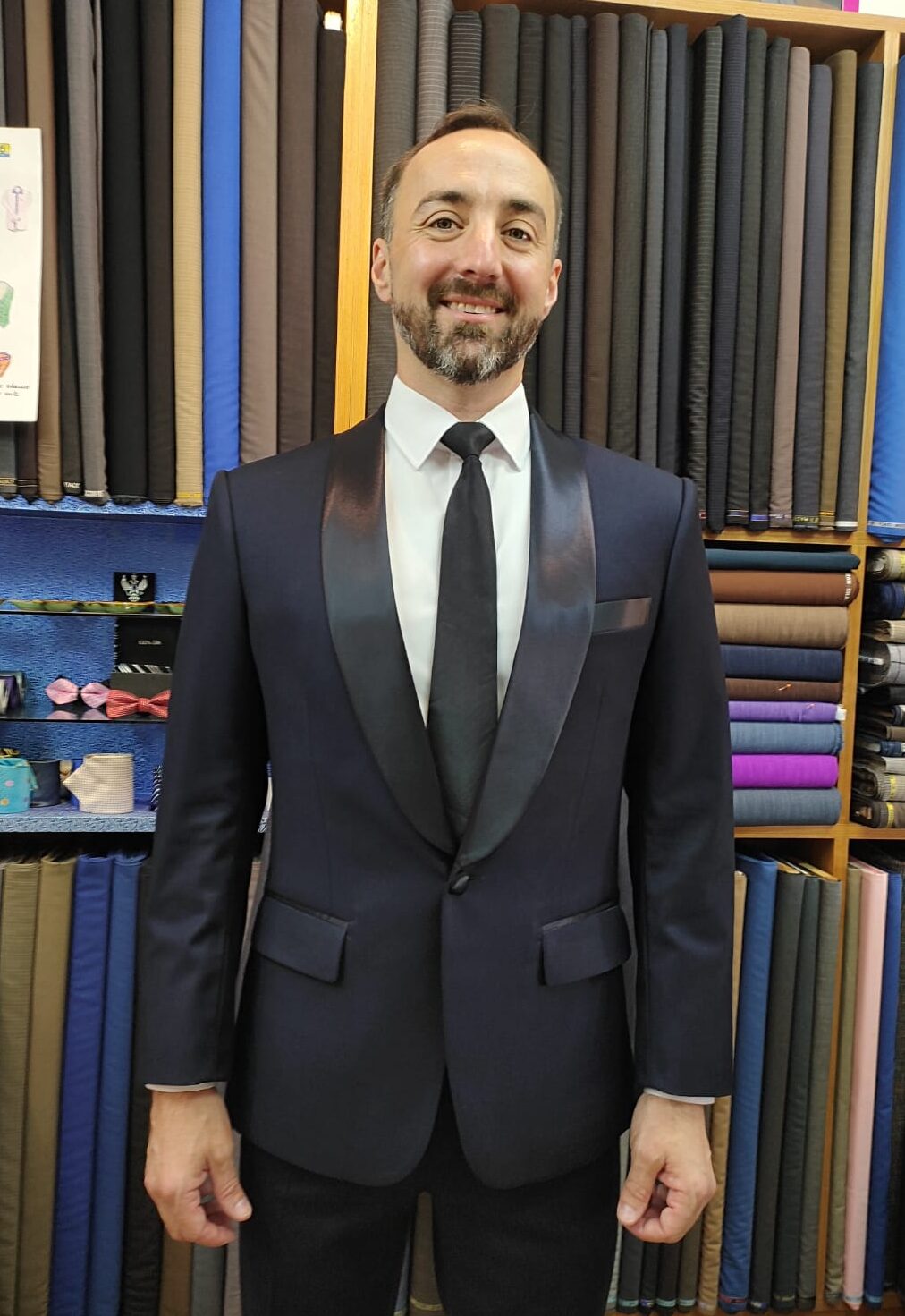
Shawl lapel: Reserved for dinner jackets and tuxedos. Not typically appropriate for standard business or wedding suits unless the dress code specifically calls for it.
Lapel width should balance with your shoulder width and tie width. Lucky will advise based on your proportions — but if in doubt, medium width is never wrong.
Trousers: flat front, pleats, break, and taper
Flat front: More modern, cleaner silhouette, works on most builds. The default for most suits Lucky makes.
Single pleat: Better for comfort over a long day, especially if you are broader through the hips or thighs. Looks more relaxed — appropriate for some styles, not for sharp modern cuts.
Trouser break: How the trouser hem meets the shoe. No break (hem sits just at the top of the shoe) is clean and modern. A slight break is classic and safe. A full break reads as dated. Lucky will check this with your actual shoes — bring them to the fitting.
Taper: How much the trouser narrows from knee to hem. A moderate taper is the most flattering for most builds. Extreme taper can look fashionable but feels restrictive in heat and looks dated faster.
Jacket details: vents, pockets, and buttons
Back vents: Double vents are more functional and more modern — they open properly when you sit or reach. Single vent is traditional. No vent is fine for slim formal suits but limits movement. Lucky recommends double vents for most customers.
Pockets: Flap pockets are standard and practical. Jetted (no flap) pockets are more formal and cleaner-looking. Patch pockets are casual — better for linen or relaxed styles, not business.
Sleeve buttons: Four is standard. Working buttonholes (surgeon’s cuffs) are a subtle mark of quality — the buttons actually unbutton. Lucky includes this on request.
Chest pocket: Keep it. A pocket square adds finishing detail and costs nothing extra. Lucky will show you how to fold it.
Lucky’s three most-built suits
After 20 years and thousands of customers, certain combinations come up again and again because they work. Here are the three suits Lucky builds most often:
The everyday business suit: Single-breasted two-piece, navy or charcoal tropical wool, regular-to-slim fit, notch lapel, flat-front trousers with slight break, double vents. The most versatile suit you can own — works in meetings, dinners, airports, and weddings.
The tropical event suit: Single-breasted two-piece, stone or light grey wool-silk blend, slightly relaxed fit, notch or peak lapel depending on occasion, flat-front trousers with no break. Built for outdoor warmth and good photography. Strong choice for weddings and evening events.
The sharp traveller: Single-breasted two-piece, mid-grey or navy 220g tropical wool, regular fit, notch lapel, flat-front trousers. Packs well, recovers from a bag quickly, works in meetings or at a restaurant. The suit you can live in for a week of travel without it looking worn.
Common mistakes Lucky sees from tourists
Going too slim: Requesting the tightest possible fit because it looks sharp on a model. A suit that restricts your movement will look bad within five minutes of wearing it.
Choosing fabric by how it feels in the shop: A thick wool feels luxurious on the roll. It feels like a tent in 32°C heat. Always ask about the gram weight and where you will actually wear it. The fabric guide explains every option in detail.
Skipping the shoe conversation: Trouser length is set relative to the shoe you are wearing. Come to the fitting with the shoes — or at least know the heel height.
Not saying where they are going next: A suit for a beach wedding in Koh Samui is different from a suit for a business meeting in Singapore. Tell Lucky the destination and the occasion — it changes everything from fabric to colour to construction.
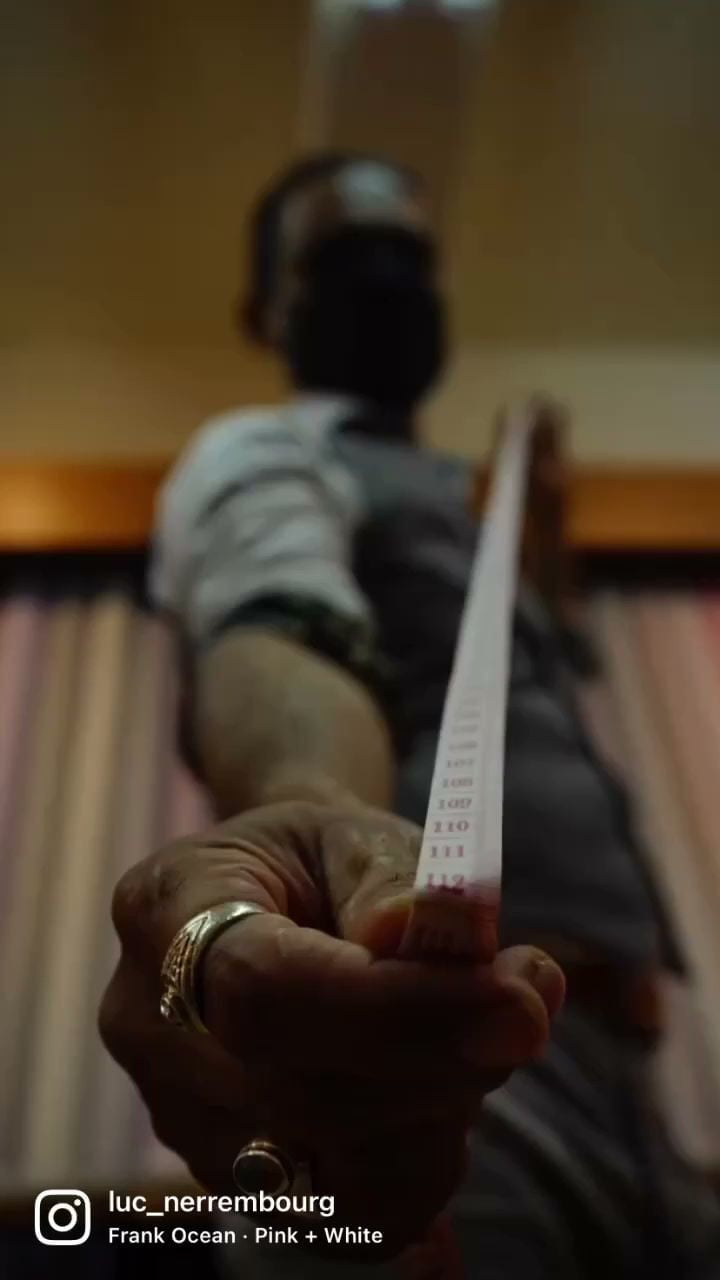
Rushing the first fitting: The consultation and first fitting together take about 45 minutes. For a full step-by-step breakdown, see the tailoring process page. That time is where the suit gets built correctly. Do not schedule it an hour before your next commitment.
Fabric choices by Chiang Mai season
November – February (cool season, 18–28°C): The most comfortable time to wear a suit outdoors. A 240–280g tropical wool works well. Linen blends are fine. If you visit during this window, you have the most fabric options available.
March – May (hot season, 30–38°C): The warmest months. Stick to 200–220g tropical wool, wool-silk blends, or linen. Full canvas construction and a lightweight lining make a significant difference. Avoid heavy fabrics entirely.
June – October (wet season, 25–33°C with rain): Humid but rarely the hottest. Tropical wool handles humidity better than linen (which wilts). A 220–240g wool with a bemberg lining is the most practical choice.
For business, weddings, events, and travel
Business: Two-piece, solid navy or charcoal, tropical wool, notch lapel, flat front trousers. Clean, professional, easy to wear through a long day. Avoid bold patterns in conservative environments.
Weddings: More flexibility on colour and texture. Stone, navy, or mid-grey work well in Chiang Mai settings. Bring the colour reference for the wedding party if you are matching. Fit matters most — a well-fitting suit in any colour looks better than a fashionable suit that pulls and creases.
Events and dinners: This is where a peak lapel, a stronger colour, or a wool-silk blend earns its keep. Push slightly further on detail and texture than you would for business, but keep the silhouette clean.
Travel: Lightweight cloth, clean cut, versatile colour. A 220g tropical wool in navy or mid-grey packs well and works across enough settings to justify the investment. Tell Lucky your travel dates — standard turnaround is 24–48 hours and hotel delivery is available.
“Lucky even came by my hotel for the final fitting, as I was leaving Chiang Mai on the day of pickup.”
— David Cheng
Come in and see the options
The best style is not the most fashionable one. It is the suit you will actually wear after you leave the shop. If you want help choosing, stop by the shop and talk to Lucky in person — or use the services page to compare options first.
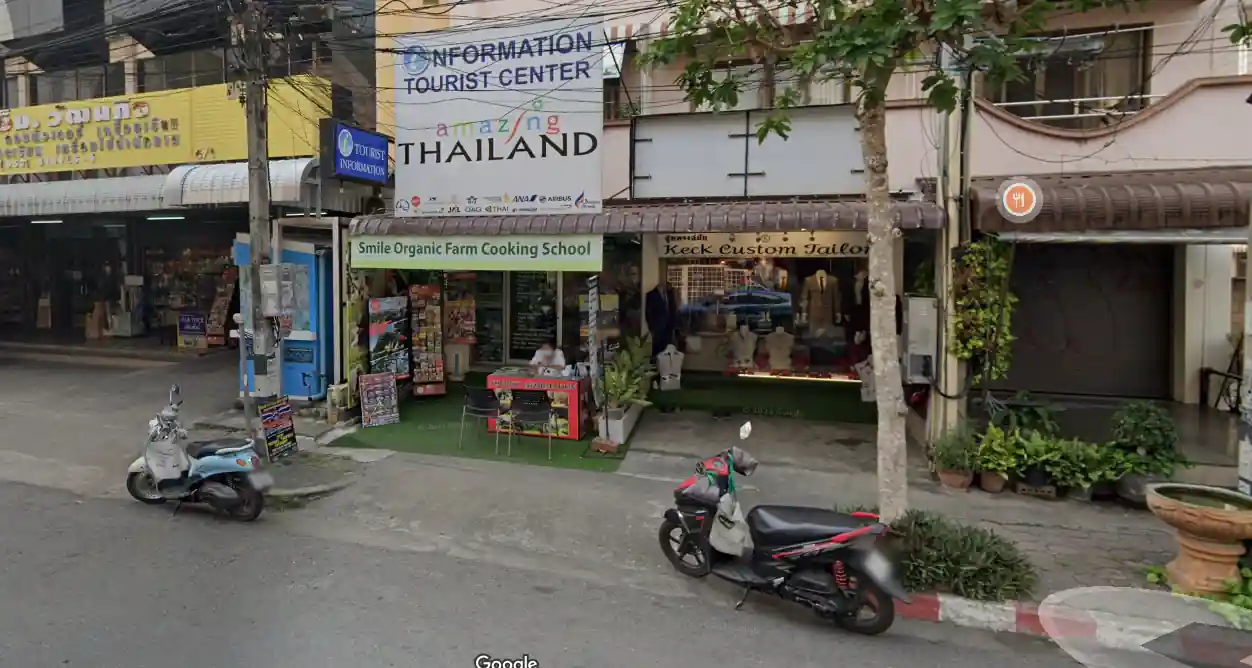
Walk-ins are welcome every day from 8:00 AM to 9:00 PM on Samlarn Road in the Old City. You can also reach Lucky by WhatsApp or the contact form before you come in.
Phone / WhatsApp:+080 130 9170 Suits from: 6,500 THB (~$180 USD) including a free tie Turnaround: 24–48 hours standard, rush available
With 20+ years of experience, Lucky is the trusted tailor behind Keck Custom Tailor. Known for fast turnarounds, perfect fits, and personalized service, he goes the extra mile; literally. From suits to simple fixes, clients return for honest advice, expert craftsmanship, and unmatched comfort in Chiang Mai’s climate.